

Home / Avocados Are Toxic To Dogs Fiction Or Fact
Avocados are toxic to dogs: fiction or fact?
03/10/2024
6 minutes
Author: Claire Lucie Sonck
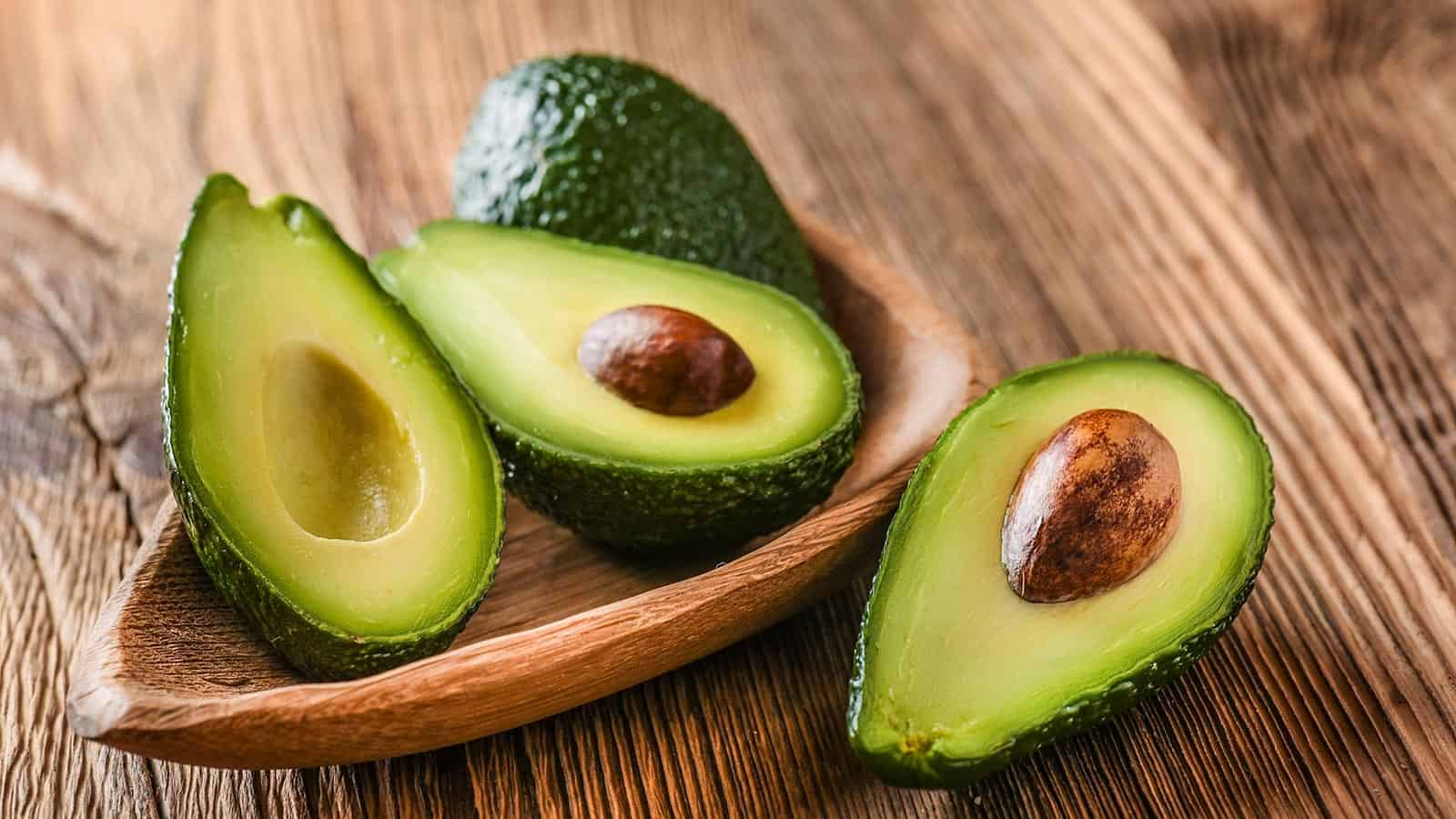
I’m sure you’ve heard and read a lot about how dangerous avocados are to dogs, and a quick Google search will reveal all of the purported ways avocados may hurt your dog if ingested.
Avocados have been labelled as harmful, toxic, and potentially lethal to dogs because they contain Persin, a naturally occurring fungicidal toxin that can cause heart congestion, tremors, diarrhoea, vomiting, drooling, cardiovascular and respiratory depression, mammary gland damage, and death. That sounds terrifying, doesn’t it?
The science of avocado safety for dogs
There are several misconceptions about canine nutrition that circulate both on the internet and in the real world.
As a canine nutritionist, I was intrigued to investigate where the general opinion that avocados are particularly harmful for our canine friends originated from, if there was substance behind this popular view, and what the actual hazards were, based on scientific research with solid data.
Because what is wonderful about science is that, whether one agrees with it or not, credible, peer-reviewed science reveals the truth.
And when it comes to avocado toxicity for dogs, the evidence is quite clear.
Maria Regina Cattai de Godoy is an associate professor in the Department of Animal Sciences at the University of Illinois, where she led important research on the safety of avocado consumption in dogs.
“Being from Brazil, avocados grow in our backyards. They fall on the ground, and if dogs get hold of them, they eat them. Just like they do with mangoes, bananas, or any other fruits that grow natively in our country. I’d never heard of a dog dying from eating an avocado, so I was really curious why they were considered toxic here.”
“When you look at the literature for avocado toxicity, all that exists are a few case studies. Dogs reported to have a fondness for avocado showed some signs of toxicity, but the case reports couldn’t prove avocados caused those symptoms. There are a lot of uncontrolled factors in these cases.”
Moreover, researchers couldn’t find a significant amount of direct evidence that Persin in avocados was making dogs sick. Those studies also failed to detail where the Persin was concentrated in the avocado plants or the fruit itself. Additionally, none of them examined Persin levels in avocado meal.”
After Maria’s team determined Persin was undetectable in avocado meal, the researchers fed it to beagles as one of three fibre sources in their diets: avocado meal, or industry standards, beet pulp, or cellulose. They watched the animals closely for any signs of toxicity or distress, but found none during the two-week feeding trials.
Dogs who ate the avocado meal diet had similar fibre digestibility and faecal butyrate concentration, an energy source for microbial cells in the gut, to dogs who ate the beet pulp diet ( standard fibre diet ).
The findings of Maria and her team have led them to conclude that “we don’t see a signal for Persin in avocado meal, and there is not really robust literature pointing to Persin as a true toxin for dogs or cats.”. The resume of the data published by Maria and her colleagues may be found here.
Which health benefits could your dog get from eating avocados?
- As little as 100 grammes of avocado flesh contains 76 mg of beta-sitosterol, a plant sterol that is very beneficial to your dog’s heart health.
- This chemical lowers the risk of heart disease, acts as an immunological regulator, and helps manage inflammation.
- Beta-sitosterol is used in the treatment of mild to moderately benign enlarged prostate and arthritic symptoms in older dogs.
- Avocado contains monounsaturated fatty acids, which help your dog’s body absorb essential nutrients like beta-carotene.
- Avocado’s antioxidant components, such as lutein and zeaxanthin, protect your dog’s ocular tissues and help to reduce eye damage.
- Avocados are high in folate, and studies suggest that a diet rich in folate reduces the chance of your dog getting certain types of cancer.
- Avocado has significant quantities of beta-carotids and phytochemicals, and research has shown that these molecules, particularly beta-carotids, may protect against cancer cell growth. Avocados are high in nutritious fibres, and research indicates that eating them regularly lowers the risk of obesity, diabetes, stroke, and high blood pressure.
Is there any risk of feeding your dog avocados?
According to science-backed information, avocados are safe for dogs, and eating avocados on a regular basis can provide your dog with significant health advantages.
However, this does not suggest that they must take it on a daily basis or in large quantities at once, as this is true for any other component, such as fruits, vegetables, legumes, nuts, seeds, and wholegrains.
As with any other food, moderation is crucial, and ingredient diversity is the fundamental secret to a healthy and balanced diet.
It will limit the diversity of their nutritional intake, and overfeeding a certain item will provide no additional health or nutritional benefits.
How do you feed avocados to your dog in a safe manner?
Your dog will gain the most benefit from the consumption of avocados when ingested 2–3 times per week.
Avocado can be included as a reward in between meals or as part of a healthy, nutrient-dense meal, accounting for 5% of the total weight of your dog’s meal, whether commercial or homemade.
To prepare the avocado properly for your dog, remove the pit and peel it before cutting it into little chunks.
The persin content in avocado pits and peels has not been sufficiently addressed, and they can also represent a choking hazard to your dog; thus, always carefully remove the pit and peel the avocado before giving it to your dog.
I hope this post inspires you to try giving avocado to your dog(s). And the next time you hear someone suggest that avocados are hazardous to dogs, show them this article.
Take care, and untill next week!

Claire Lucie Sonck
The science of plant-based nutrition for dogs
Certified, CMA-registered canine nutritionist;
Founder The Vegan Dog Coach;
Instagram : @thevegandogcoach
Contact : [email protected]
About the author
Claire Lucie is a UK-certified canine nutrition coach, founder of The Vegan Dog Coach, and a member of the prestigious Complementary Medical Association. Her mission is to improve the health and longevity of 100 million dogs worldwide by promoting a plant-based diet, based on the latest insights in nutrition and canine health. Over the past two years, she has dedicated her life to studying more than 250 scientific studies on the impact of nutrition on the health and longevity of dogs!
Visit www.thevegandogcoach.com for free resources, consultation, and professional guidance in plant-based canine nutrition, inspiring testimony from plant-based dogs and vets, free recipes, and all the science behind your dog’s plant-based diet and nutrition.
Disclaimer
This material is intended for educational purposes only. No information in this present article, regardless of date, should ever be used as a substitute for direct veterinary advice from your veterinarian or other qualified canine health professional.
The vegan dog coach, Claire Lucie Sonck, VegeVriend, and their respective employees or collaborators cannot be held liable for any losses, injuries, or damages resulting from the use of any information contained in the present article.
Share article